by Narissa Phelps for the Lennox Wave
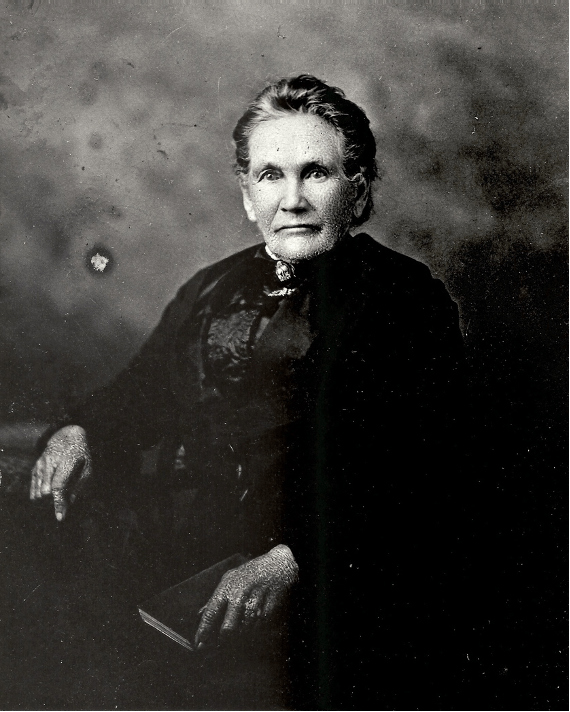
Elizabeth Gray was born in March 1846, the daughter of an Irish immigrant cedar-cutter and sawyer, Peter Gray and his wife Mary Ann. Elizabeth’s childhood was spent in cedar camps at Wardell, living in tents or small shacks. During the 1850s, cedar harvesting was the lifeblood of the area, and the river trade flourished. The family then moved to Ballina, where Peter became one of that town’s early land selectors. Sadly, both of Elizabeth’s parents drowned in separate river accidents—Peter in 1863 and Mary Ann in 1864—highlighting the hardships faced by the region’s earliest settlers.
Just prior to her mother’s death, Elizabeth, aged 18, married Robert King. His family were Clarence River cedar-getters, renown as the ‘Cedar Kings.’ The couple became one of the first to select land in Upper North Creek (on North Creek Road opposite the famous pines) where they built a home from pit-sawn cedar. Just 12 years later (1876), Robert died in a tree-felling accident, leaving Elizabeth a widow with seven young children and a property to manage.
In 1878, Elizabeth supported the proposal for a school to be established at North Creek, two miles from her home. Robert, aged 8, and 6-year-old twins, Peter and Richard would attend. Stephen, aged 13, and Mary Annie, aged 12, would help on the farm.
Elizabeth’s second husband, William Coleman, was also the son of an early cedar-cutter. After marrying in 1881, Elizabeth and William continued to live and work on the North Creek property, growing sugarcane before converting to dairying. Four more children were born between 1882 and 1890, meaning Elizabeth was mother to eleven.
Elizabeth died in November 1920, aged 74. Her Lennox Head property was divided, 100-acres going to her King children, and twenty acres to her daughter Maud Coleman (Myers). There is little doubt that Elizabeth, born during the district’s earliest days, was a woman of the bush and the rivers, both playing a vital role in this pioneer woman’s active life.
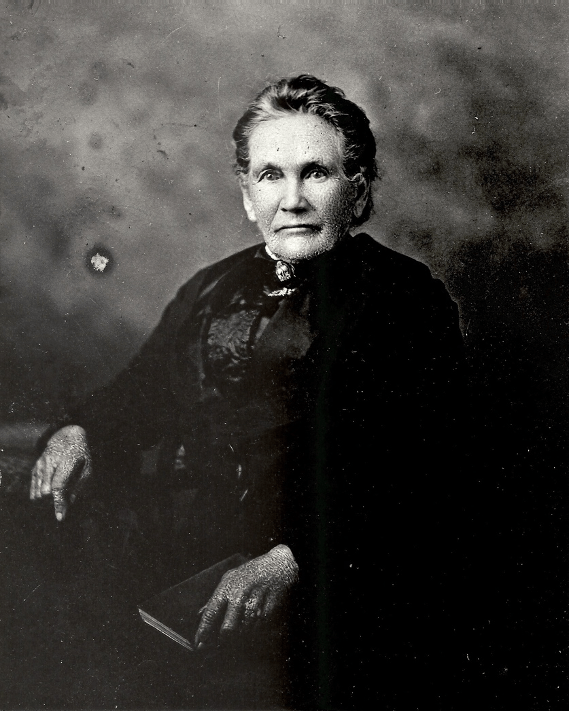
Elizabeth Gray King Coleman (1846-1920) Photo courtesy of Dianne Wiggins.


 Colonial Australia's Early History
Leave a comment