by Narissa Phelps for the Lennox Wave. Acknowledging information contained in Men and A River by Louise Daley.
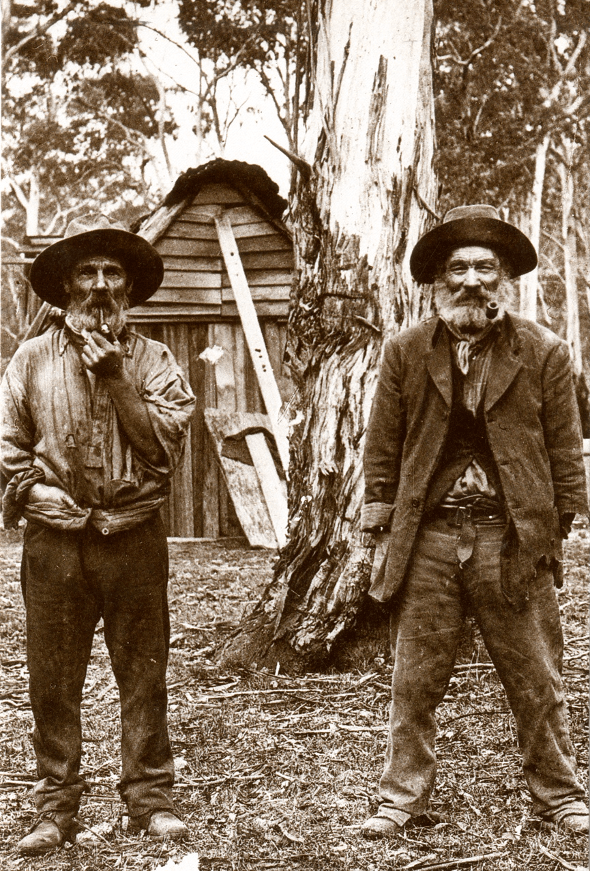
The first non-Indigenous people to enter the Lennox region were the cedar-cutters. A passion for the ‘red gold’—as this magnificent statuesque timber was called—led the first cutters, Joe Maguire and Steve King, to this sawyer’s paradise in 1842.
Many of the early cutters were ex-convicts, escaped convicts or free-born Australians. Life was rough and mateship vital as falling timbers and regular drownings were common. River-bank camps, initially comprised of bark rain-shelters amidst the vine-draped trees, were later replaced by crude huts, built to accommodate the women and children. Meals were cooked in great iron pots, hanging over a fire pit. There were no churches or schools, and children were taught by their mothers, if at all. The sawyers rarely remained long in one area, moving as timber was depleted. Families, however, often required more stability, so Bulloona (Ballina), which in 1845 was just two huts surrounded by saw-pits, grew steadily as more and more cutters and their families were attracted to the area. In 1845 alone, 624,500 feet of cedar were exported from the region—a terrible assault on the lands that Indigenous Australians had cared for over tens of thousands of years.
Schooners plied the river to load logs, floated down-stream from the tributaries. Saw-pits were scattered along the river banks and the sound of axes rang throughout the district. Life moved with the tides and rafts and pulling boats were everywhere. This was the life of our first white-settlers. Many decided to stay, long after the cedar had been stripped. They squatted on land which they regarded as theirs and, along-side selectors who moved into the region, began farming.
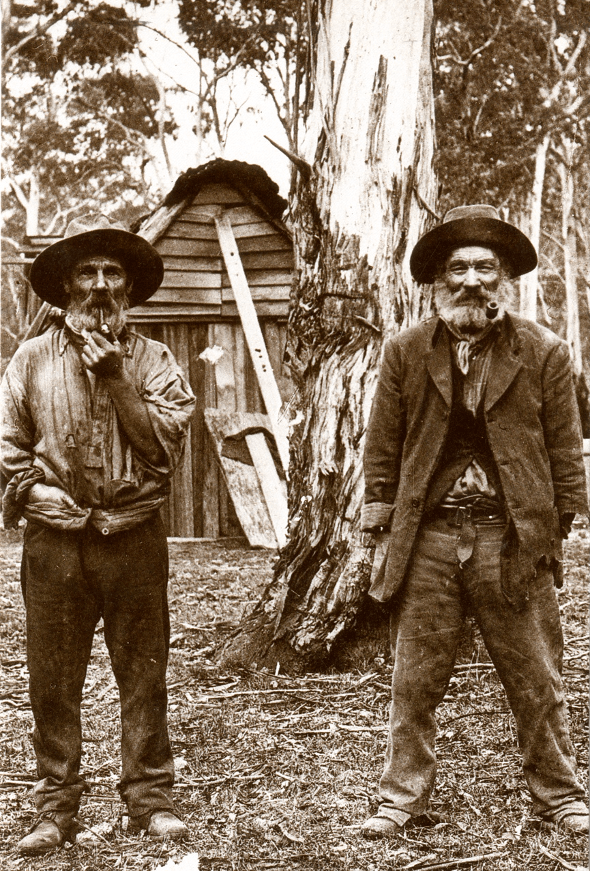
Timber-cutters. Photo courtesy Richmond River Historical Society


 Colonial Australia's Early History
Leave a comment