Article Published in the Journal of Australian Colonial History, Vol 21, January 2020.
Abstract:
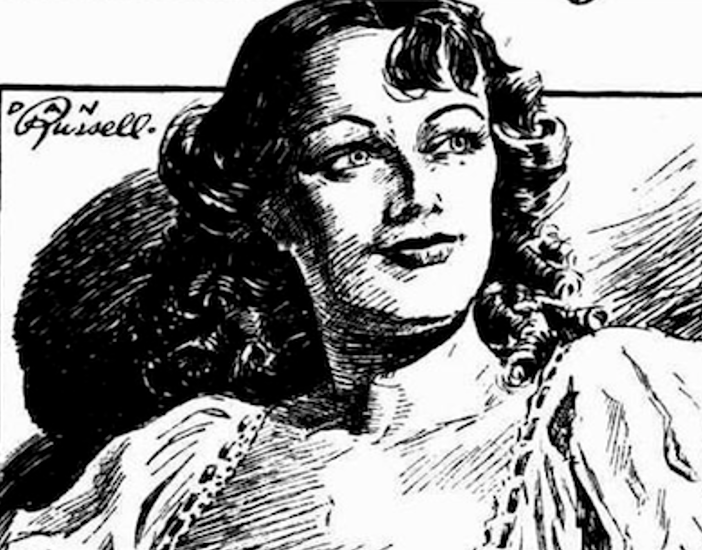
Molly Morgan, who survived the voyage of the Second Fleet vessel ‘Neptune’ in June 1790, was undoubtedly a strong and resolute woman. She was a survivor and a colonial success story. However, as this article discusses, her reputation has suffered at the hands of journalists and illustrators over the past 150 years. Molly has been depicted as a self-willed and resourceful woman, but also as (in John Conway’s words) ‘a buxom doxy’ (that is, a mistress, or worse). Representations of her in the literature alternate between being a ‘respected pioneer’, and a ‘female Casanova’ who loved both men and rum. Hobart’s Voice newspaper, for example, described Molly in 1934 as ‘a generous employer’ and ‘a woman of strong personality and great influence’, while the ‘Sunday Mirror’, thirty years later, painted her as a ‘Love Huntress’ who ‘lured men’ and told bawdy jokes. The apparent dichotomy was captured by her biographer, who described her as ‘the ex-convict with a long record of petty crime, immorality and self-indulgence, [who] was also a women of generosity and compassion for those in unfortunate circumstances’. Certainly, she was an exceptional and atypical character who defied the common stereotype by becoming a successful and powerful business woman. At ‘a time when the majority of women remained in the background of colonial society’, she ‘stands out as a colourful and rather remarkable personality’. This article reflects on Molly Morgan’s rich and often misrepresented life-story by considering these divergent depictions.


Leave a Reply